🌏 Climate & Natural Disaster Insurance in Australia – Are You Really Covered?
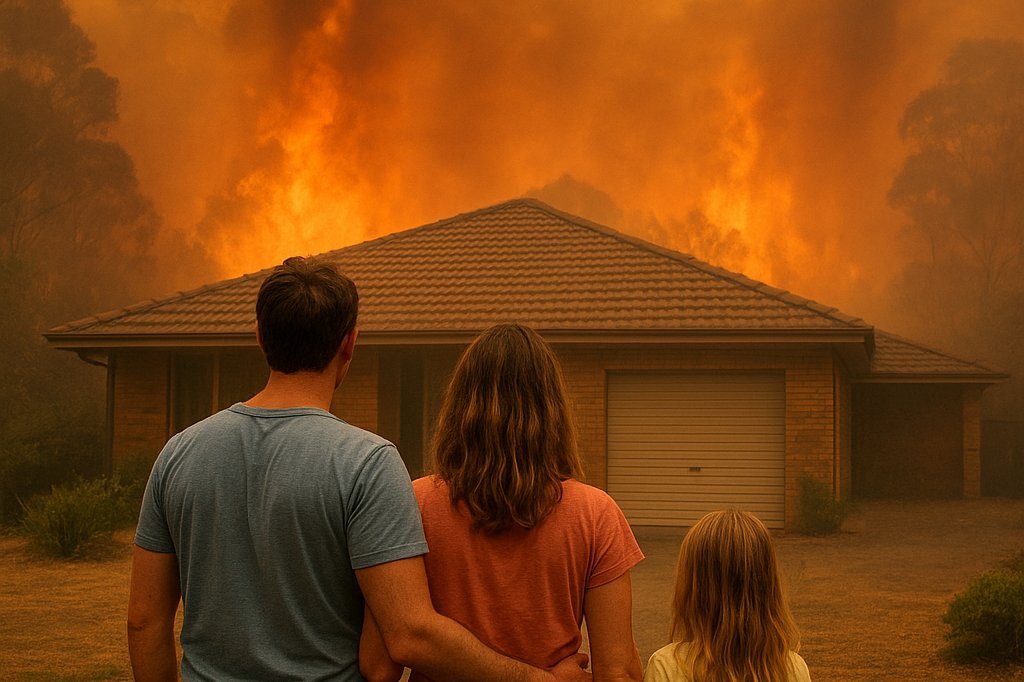
If you’ve lived in Australia for even a few years, you know we’re not strangers to natural disasters. One year it’s bushfires tearing through Victoria, the next it’s floods smashing Queensland or cyclones ripping into Northern Australia.
Most of us have seen those heartbreaking news clips – families standing in front of their destroyed homes, small businesses underwater, farmers losing everything overnight. And while the government does step in with some financial help, the harsh truth is this: it’s never enough to rebuild a life.
That’s where climate risk insurance Australia comes in. More and more Aussies are starting to ask: “Does my life insurance or income protection actually cover me if a natural disaster strikes?”
This blog is all about answering that in plain English – no jargon, no robotic sales talk. Just the facts, some real Aussie examples, and tips on how to make sure your family is truly protected.
Table of Contents
Why Climate Risks Are Hitting Aussies Harder Than Ever
Australia’s always been a land of extremes – that’s part of what makes it beautiful and tough at the same time. But the last decade has shown us that these disasters are not just rare events anymore – they’re happening more often, and they’re getting more expensive.
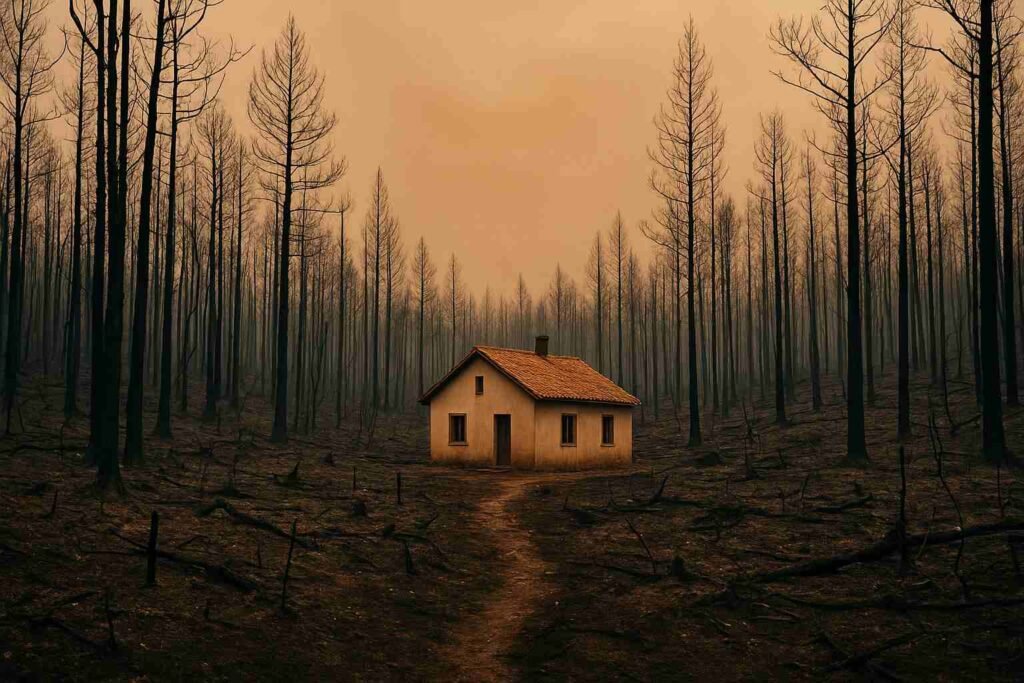
- Bushfires: Remember the 2019–20 Black Summer? It burned over 24 million hectares, destroyed more than 3,000 homes, and cost insurers about $2.3 billion in claims.
- Floods: Fast forward to 2022 – the Brisbane and NSW floods were the most expensive flood event in Aussie history, racking up $6 billion in insured losses.
- Cyclones: Northern communities like Cairns, Townsville, and Darwin cop cyclones almost every year. In fact, Cyclone Debbie back in 2017 cost insurers $1.7 billion.
- Insurance Council of Australia natural hazard insights
Now here’s the kicker – insurance premiums have shot up in high-risk areas. Some postcodes in Queensland and New South Wales saw premiums jump 25–30% between 2022 and 2024.
Insurance Catastrophe Resilience Report 2023–24
So if you’re sitting there thinking, “Mate, my cover’s sorted,” it’s worth a double-check. Because if your policy doesn’t specifically address climate risks, you could be caught short when you need it most.
This is why people are Googling and talking about climate risk insurance Australia more than ever.
Does Life Insurance Cover Natural Disasters?
Here’s some good news: most life insurance policies do pay out if you die as a direct result of a natural disaster. But (and it’s a big but) when it comes to the other impacts – like injury, disability, or losing your income – that’s where it gets trickier.
Also, with ongoing ASIC/APRA reforms in Aussie life insurance, policy rules are changing — so checking the latest updates is smart.
Let’s break it down:
1. Life Insurance (Death Cover)
- If you pass away because of a bushfire, flood, cyclone, or earthquake, your family usually receives the lump sum.
- Pretty simple – but make sure you read the fine print.
2. Trauma / Critical Illness Cover
- Gives you a one-time payment if you get seriously sick or badly hurt, like major burns, a heart attack, or a stroke.
- Example: You survive a bushfire but your health is damaged long-term — this cover gives you some money to deal with it.
3. TPD (Total & Permanent Disability) Insurance
- If you’re badly injured in a disaster and can never work again (say, a spinal injury from a falling tree in a storm), this cover applies.
- You get a lump sum payout — money that can help you live if you can’t earn anymore.
4. Income Protection Insurance
Think about it: if you’re out of action for six months because of injuries from a cyclone, how would you pay bills? This cover fills the gap.
If you can’t work for some time because of sickness or injury, this pays part of your monthly income.
A Quick Comparison Table
| Cover Type | Disaster-Related Death | Injury/Disability | Monthly Income Benefit |
| Life Insurance | ✅ Yes | ❌ No | Lump sum only |
| Trauma Insurance | ❌ No | ✅ Yes (specific) | Lump sum only |
| TPD Insurance | ❌ No | ✅ Yes (permanent) | Lump sum only |
| Income Protection | ❌ No | ✅ Yes (temporary) | ✅ Yes |
👉 So if you’re serious about climate risk insurance Australia, it’s not about one single policy. It’s about combining the right mix – life, TPD, trauma, and income protection – to cover all angles.
Real Talk: Why Aussies Get Caught Out
Here’s the part that stings – a lot of families think they’re covered, only to find out the fine print says otherwise.
It’s not just climate risks — even health history can complicate things. For instance, genetic discrimination in life insurance is a growing concern many Aussies don’t know about.”
Common Traps in Aussie Policies
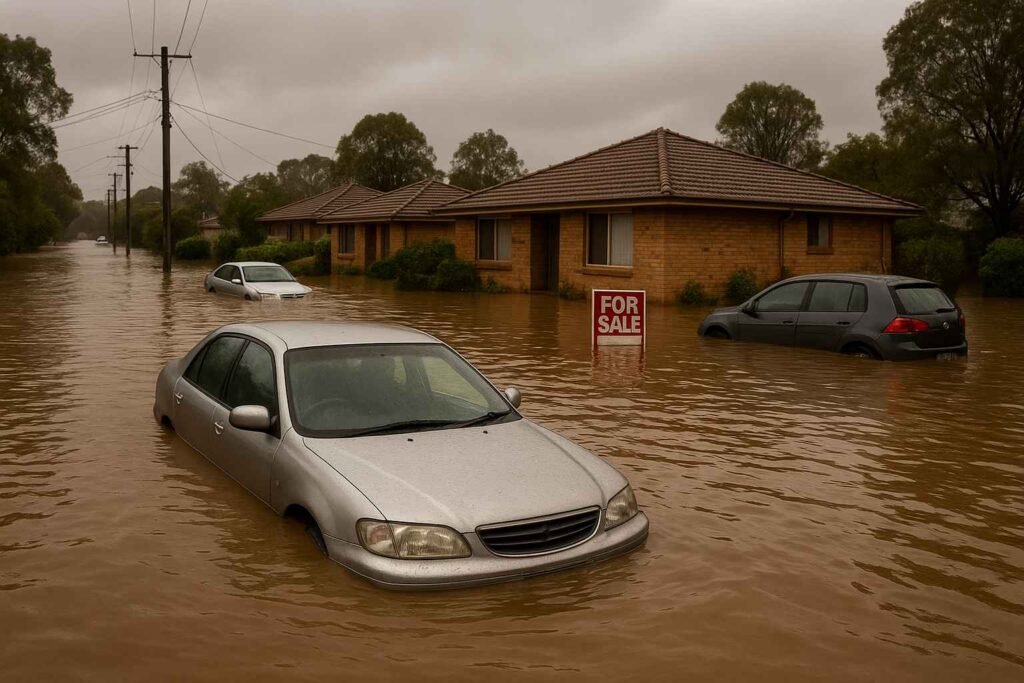
1. Flood vs Stormwater Confusion
- Some policies only cover run-off from rain on your roof (stormwater), but don’t kick in if the river overflows.
- That’s exactly what tripped up thousands of Brisbane residents in 2022.
2. Bushfire Waiting Periods
- Certain insurers slap on a 48–72 hour waiting period.
- If you take out a policy and a fire hits the next day, you’re not covered.
3. “Acts of God” Exclusions
- Cheap policies often skip natural disasters.
- You only get that cover if you pay extra.
Example: Liam‘s Story
Meet Liam a small business owner in Melbourne. He assumed his life insurance would cover everything. When floods hit, his café was ruined, and he was injured during the cleanup. He lodged a claim, but it got rejected.
Why? His policy covered stormwater damage but specifically excluded river flooding – the very thing that destroyed his business.
Raj’s story might be hypothetical here, but similar situations have played out for thousands of real Aussies. That’s the scary part.
And it’s exactly why more families are searching for climate risk insurance Australia advice right now.
How do you pick the right disaster-ready insurance?
Big question, right? End of the day, you just want to be sure the policy actually works when something bad happens. It’s not about buying the fanciest or most expensive one. It’s more about checking what’s inside, comparing a bit, and asking a few straight questions before you sign.
Here’s a simple checklist you can run through in Australia:
1. Natural disaster cover
- Does it pay for both flood and stormwater?
- Are bushfires covered right away, or do you have to wait?
- Cyclone damage — standard or extra add-on?
2. Exclusions
- Some cheap policies cut out “acts of God” unless you pay more.
- Some only cover your main house, not rentals or business places.
3. Flexibility
- Can you bump up your cover if risk goes up in your area?
- A few insurers now add climate add-ons, like extreme weather cover.
4. Price vs cover
- Cheapest doesn’t always save you in the long run.
- Most expensive isn’t always the best either.
- Find something that fits your pocket but still keeps you safe.
Government Relief vs Insurance – Don’t Get Confused
Now, a lot of Aussies assume: “If something massive happens, the government will look after me.”
Yes and no. The government does step in with emergency payments, but it’s usually short-term assistance – enough to cover food, clothing, and temporary shelter.
For example:
- The Disaster Recovery Payment (DRP) is a one-off lump sum (around $1,000 per adult, $400 per child).
- There’s also the Disaster Recovery Allowance which pays income support for up to 13 weeks.
That’s helpful, but let’s be honest – it’s nowhere near enough to rebuild a home, cover medical bills, or replace years of lost income.
That’s why relying only on government schemes is risky. If you truly want to future-proof your family, you need proper climate risk insurance Australia in your corner.
Real Aussie Story: The Johnson Family, NSW Floods
The Johnsons lived in Lismore, NSW. They only had basic home insurance — no income protection, no trauma cover. When the 2022 floods hit, the house was wiped out.
- The insurer paid some of the rebuild, but the family still had to cover about $20,000.
- Mr Johnson hurt his knee during the cleanup and couldn’t work for six months.
- Without income protection, they had to burn through savings.
👉 Imagine if they’d had income protection or TPD – the stress would’ve been so much lighter.
Their case highlights why a mix of covers – not just one policy – makes all the difference when it comes to climate risk insurance Australia.
Tips to Save Money While Staying Protected
Let’s be real – premiums are going up, especially in high-risk areas. But that doesn’t mean you can’t be smart about it. Some handy tips:
1. Bundle Policies
- Some insurers knock a bit off your premium if you combine life, TPD, and income protection.
2. Increase Your Excess
- If you’re okay paying more out of pocket during a claim, your regular premiums can go down.
3. Shop Around Every Few Years
- Sticking with the same insurer isn’t always cheaper.
- New customers often get the better deals.
4. Improve Your Home’s Strength
- Some insurers give discounts if you add things like fire-resistant roofs, flood barriers, or cyclone shutters.
5. Use a Specialist Broker
A good insurance broker (who understands disaster cover) can save you both money and headaches.
Hypothetical Story: Sarah the Nurse
Sarah is a nurse in Queensland. She’s young, healthy, and thought insurance was “for older people.”
Cyclone damage left her house unliveable. While she didn’t lose her life, she did injure her shoulder badly during cleanup, which meant she couldn’t work for four months.
Luckily, Sarah had income protection as part of her climate risk insurance Australia package. It replaced 70% of her salary, which meant she could focus on recovery instead of stressing about rent and bills.
Her friends who didn’t have cover? They were relying on government relief and GoFundMe pages. Big difference.
Different jobs face different risks — for example, fly-in fly-out workers have unique challenges covered in our FIFO Life Insurance Australia 2025 guide.
Why Aussies Need to Talk About This More
We chat about footy, real estate, and petrol prices every other day, but when’s the last time you had a yarn with your mates about insurance? Probably never.
And that’s the problem – insurance feels boring or complicated, so we avoid it. But when disaster strikes, it’s the only thing that matters.
The more we normalise conversations about climate risk insurance Australia, the more prepared we all become.
FAQs on Climate Risk Insurance Australia
Let’s face it, insurance is full of jargon. So here are the most common questions Aussies ask — explained simply.
1. What is climate risk insurance in Australia?
It’s a type of cover that protects you against natural disasters like floods, bushfires, cyclones, and storms — along with the money and health problems that come from them.
2. How is it different from normal home insurance?
Regular home insurance often leaves out things like floods unless you pay extra. Climate risk insurance is wider and made for areas where disasters are more likely.
3. Does it cover my health as well as my home?
It can. Home and contents cover your property, while life, trauma, and income protection policies cover you and your family financially.
4. How much does climate risk insurance cost in Australia?
Depends on where you live. If you’re in a flood zone or bushfire area, expect to pay 20–50% more than low-risk suburbs.
5. Will the government help if I don’t have insurance?
Relief is only short-term — maybe a one-off payment or small income support. It won’t rebuild your house or replace long-term income.
6. What if I rent? Do I still need it?
Yes. Renters should look at contents insurance and income protection. Even if you don’t own the house, your belongings and income are still at risk.
7. Can insurers refuse to cover me if I live in a high-risk zone?
In some extreme cases, yes. But many insurers now offer disaster-specific add-ons, though premiums might be steep.
8. What’s the best mix of policies for climate risk insurance Australia?
Home & contents cover (with flood/cyclone add-ons)
Income protection
Trauma or TPD cover (for long-term disability or illness)
Life insurance if you’ve got dependents
9. Does climate change mean premiums will keep rising?
Unfortunately, yes. Insurance costs go up and down with risk — and climate risks are only getting higher.That’s why locking in a good policy earlier is often smarter.
10. How do I actually buy the right policy?
Compare online, talk to an insurance broker, and always read the fine print. Ask questions like: “Does this include flood damage?” before you sign.
Why Talking About Insurance Is a Game-Changer
The reality is, most of us don’t talk about insurance until it’s too late. We’d rather chat about cricket, footy, or the price of petrol.
But when you bring up climate risk insurance Australia with your mates or family, you might just save them from a financial nightmare. It’s not about fearmongering — it’s about being proactive and resilient.
Call to Action – What Should You Do Next?
If you’ve read this far, you’re already ahead of the game. Most people never even think about disaster cover until it’s too late.
👉 Right now, you can start with these steps:
- Bas tamaru insurance paper kadho ane jovo ke shu–shu cover ma aave chhe.
- Ask your insurer directly: “Does this include floods, bushfires, and cyclones?”
- If you’re unsure, talk to a licensed insurance broker who specialises in climate risk insurance Australia.
- Share this article with a mate or family member who lives in a disaster-prone area.
⚠️ Don’t wait until the next summer bushfire season or flood warning to start thinking about this. By then, it’s often too late.\
Read more our blog
Disclaimer
This blog is for general information only. It’s not financial advice, insurance advice, or legal advice. Policies differ from insurer to insurer, and everyone’s situation is unique.
When you’re checking out climate risk insurance in Australia, don’t overcomplicate it:
- Step one: Actually sit down and read the Product Disclosure Statement (PDS). That’s where all the hidden stuff sits.
- Step two: Don’t just grab the first policy you see. Line up two or three and compare — you’ll quickly spot what’s missing in one versus another.
- Still feeling confused? Just talk to a licensed adviser or broker — they can guide you based on your situation. They’ll break it down for you in plain language.
Final Wrap-Up
So, over these three parts we’ve unpacked:
- Why climate disasters are rising and why Aussies need to be prepared.
- What climate risk insurance Australia covers (and what it doesn’t).
- Real-life stories of families caught out, and how the right cover could’ve changed everything.
- Easy ways to save money but still stay insured.
- Simple answers to the questions people usually ask.
✅ At the end, insurance is not only about money. It’s about being ready, having peace of mind, and feeling sure your family will be okay.
Author Box
Written by DN Patel
Founder & Life Insurance Specialist
Helping families in USA, UK, Canada & Australia choose the right life cover.
📢 Stay connected for the latest insurance tips, updates, and guides!
👉 Follow us on Facebook